Top Spots for Caribbean Food Denver Locals Love
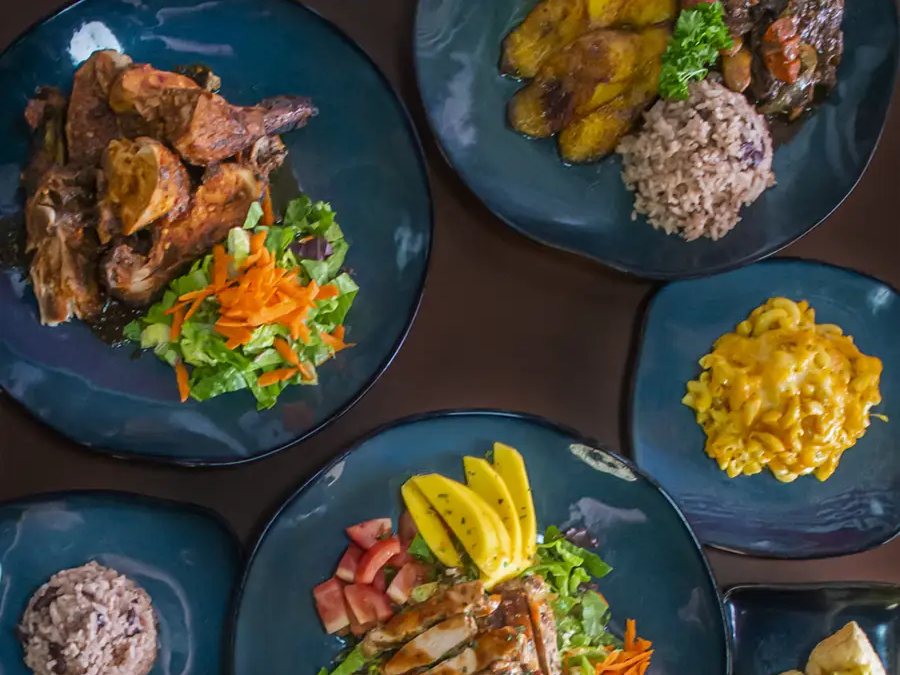
Denver is not the first city people name when they talk about Caribbean cooking, and that is exactly why the good places tend to earn such loyal followings. You do not stumble into this corner of the local food scene expecting a polished tourist version of island food. You go because you want depth, heat, comfort, and a plate that tastes like somebody cared about seasoning it properly hours before you arrived.
The phrase caribbean food denver covers more ground than many diners realize. In this city, it often means Jamaican jerk and oxtail, Cuban sandwiches and ropa vieja, sweet fried plantains, black beans cooked until they taste like more than a side dish, and rice that carries as much flavor as the protein next to it. It also means looking beyond the trendiest blocks. Some of the most satisfying meals sit in modest storefronts, strip centers, or long-running neighborhood dining rooms where regulars know exactly what they came for.
If you are trying to eat your way through the best Caribbean food in Denver, or close enough to it that locals consider it part of the same conversation, a few places come up again and again. They are not interchangeable. Each has its own strengths, and knowing what each one does well makes the meal better.
What makes a Caribbean restaurant worth returning to
Before getting into the spots themselves, it helps to set the bar correctly. Caribbean food can look simple on the plate, but it is not simple to cook well. Good jerk is not just spicy chicken. It should carry allspice, thyme, heat, smoke, and a little sweetness, with flavor worked into the meat instead of sitting on the surface. Good beans should taste seasoned all the way through. Plantains should hit that narrow point between caramelized and greasy. Oxtail should be rich without feeling heavy for heaviness’ sake.
That matters in Denver, where altitude, supply chains, and customer expectations can push restaurants to soften flavors or streamline traditional methods. The places locals stick with are usually the ones that resist flattening the food. They adjust where they need to, but not so much that the dish loses its identity.
Cuba Cuba Cafe & Bar, still one of the city’s defining names
If you ask long-time Denver diners where to start, Cuba Cuba Cafe & Bar is one of the first answers you hear. It has been part of the city’s dining conversation for years, and there is a reason it keeps that place. For many people, this is the restaurant that made Cuban food feel familiar, approachable, and worth seeking out rather than treating as a one-time novelty.
The room matters here. A place can serve strong food, but if it never feels alive, it rarely becomes a local institution. Cuba Cuba has always leaned into atmosphere without using it as a distraction. When a restaurant has personality and also sends out food with discipline, diners forgive a lot, from waits during peak hours to the occasional noisy table nearby.
On the plate, the appeal is balance. Cuban cooking does not usually chase brute force heat. Its best dishes build flavor through citrus, garlic, slow-cooked meats, sofrito, beans, and starches that are far more satisfying than they sound on paper. This is where ropa vieja makes sense, where roast pork tastes complete with black beans and rice, and where sweet plantains are not garnish but part of the architecture of the meal.
What locals tend to appreciate about a place like this is reliability. Not every diner wants the most obscure or hyper-regional dish. Sometimes what wins loyalty is a kitchen that consistently turns out a proper Cuban sandwich, a good shredded beef plate, and sides that feel cooked rather than assembled. Cuba Cuba fits that role well. It is also one of the easiest places to recommend to someone who says they want Caribbean food in Denver but does not yet know the differences between Cuban, Jamaican, Puerto Rican, and other island traditions.
If you go, it is worth ordering with a little intention. This is not the kind of menu where the safest option is always the best one. The braised and roasted meats are usually the smart move, because those dishes showcase the style of cooking most clearly.
Cuba Cuba Sandwicheria, faster food that still has a point of view
There are times when a full sit-down meal is the right move, and there are times when what you really want is something handheld, hot, and packed with enough flavor to carry you through the rest of the day. That is where Cuba Cuba Sandwicheria enters the picture.
The appeal here is focus. A restaurant built around sandwiches, rice plates, and quick service does not need to mimic the café experience to be worthwhile. In fact, trying to do too much often weakens this kind of operation. What makes the Sandwicheria work is that it understands its lane. The food is casual, but it is not careless.
A good Cuban sandwich is harder to find than it should be. Bread texture matters. The pork cannot be dry. The mustard and pickles need to sharpen the richness rather than bury it. Pressing the sandwich correctly sounds like a tiny detail until you bite into one that was rushed and realize the whole structure falls apart. Places that earn local affection tend to get those mechanics right, and that is exactly why a straightforward lunch counter can become part of someone’s weekly routine.
This is also one of the better choices when you are introducing Caribbean flavors to a mixed group. Some people want a full plate with rice and beans. Others just want a sandwich and maybe a side of plantains. In practical terms, that flexibility matters. It is one reason fast-casual offshoots often outlast trendier concepts. They fit the way people actually eat during a workday.
For diners tracking down caribbean food denver residents actually revisit, that repeatability counts for a lot. You do not build habitual lunch traffic on branding alone. You do it by serving food that still tastes good when people are in a hurry.
Reggae Pot, for the diners who want the Jamaican side of the story
When people say they are craving Caribbean food, what they often mean, specifically, is Jamaican food. They want jerk chicken, curry goat, oxtail, patties, cabbage, and rice and peas done right. In the Denver area, Reggae Pot is one of the names that frequently comes up in that conversation.
What makes Jamaican food satisfying is not just spice, though spice helps. It is the density of flavor. Curry goat should taste earthy, aromatic, and developed, not like a generic stew dusted with curry powder at the end. Oxtail should be sticky, savory, and worth the extra time and cost it takes to cook. Jerk should have a pulse to it, with chile heat balanced by smoke, herbs, and allspice.
The better Jamaican kitchens also understand sides caribbean food denver in a serious way. Rice and peas should not be filler. Cabbage should bring freshness and relief. Plantains should soften the edges of the spice and salt. When those pieces line up, the plate eats as a whole instead of feeling like separate components.
Reggae Pot has the kind of reputation that usually comes from serving people who know what the food is supposed to taste like. That is one of the better tests for any regional or cultural restaurant. A broad audience can make a place popular, but a core audience makes it credible. In practical terms, that often means a kitchen willing to season assertively and trust the customer.
If you are new to Jamaican food, this is not a cuisine to approach timidly. The best move is usually to order a signature dish, not the blandest item on the menu. Oxtail, curry goat, or jerk chicken tells you far more about the kitchen than a generic grilled option ever will.
Genna Rae’s Wings & More, where Jamaican influence meets neighborhood loyalty
Some restaurants earn their following not by presenting a textbook version of Caribbean cuisine, but by weaving Jamaican flavors into a broader comfort-food menu that suits the neighborhood. Genna Rae’s Wings & More falls into that category, and that is part of what makes it interesting.
On paper, a menu that mixes wings with Jamaican staples might sound like a compromise. In practice, it can be a strength if the kitchen knows exactly what it is doing. Plenty of local favorites survive because they understand their diners better than more concept-driven restaurants do. They know what brings in first-time guests, and they know which dishes keep them coming back.
The value of a place like Genna Rae’s is that it often serves more than one purpose. One person comes for jerk chicken. Another orders wings. Someone else is there because they have heard good things about the oxtail. This kind of flexibility is not glamorous, but it is very real, especially in city dining scenes where family-owned spots need a menu broad enough to support lunch, dinner, takeout, and neighborhood regulars.
There is also something to be said for restaurants that do not over-explain themselves. A lot of beloved local food does not arrive with a long story on the menu. It just arrives hot, seasoned, and generous. That matters. Not every worthwhile dining experience needs to be curated into a narrative.
For anyone mapping out the best caribbean food denver has to offer, Genna Rae’s is useful because it shows how Caribbean flavors actually live in a city. They do not always show up in pristine, category-perfect form. Sometimes they appear in crossover menus, family businesses, and places where the crowd reflects the whole neighborhood instead of a narrow food scene.
Jamaican Grill, the kind of place people mention when they want substance over polish
Then there are the spots people recommend with a specific tone in their voice, the kind that means, “Go there if you care more about the food than the décor.” Jamaican Grill tends to land in that space.
That is not a criticism. In many cities, some of the best island cooking comes from restaurants that put their energy into the kitchen first and everything else second. The menu may not be sprawling. The room may be simple. Service may be direct rather than performative. But if the jerk carries smoke and spice, the curry is deep, and the portions make sense for the price, people notice.
Jamaican food is especially vulnerable to dilution in cities where many diners know the names of the dishes but not their proper flavor profiles. A kitchen can coast on labels alone if customers have low expectations. The places that gain true local affection are usually the ones that do not coast. They season with confidence. They understand marinades. They respect cooking times. They know that rice and peas should support the meat, not disappear next to it.
I have found that the strongest Jamaican restaurants often reveal themselves in small details. The gravy on an oxtail plate tells you a lot. If it tastes flat, the rest of the meal rarely improves. If it is glossy, savory, and clearly built from the cooking process rather than an afterthought, you are probably in good hands. The same goes for jerk sauce. It should taste layered, not just hot.
That is why Jamaican Grill tends to resonate with people looking for a more direct, traditional experience. Not everyone needs ambiance. Sometimes a diner just wants a plate that reminds them why Caribbean cooking has such staying power.
What to order if you want the restaurant’s real strengths
Menus in this category can be broad, and it is easy to default to familiar items. That is not always the smartest move. If your goal is to understand why locals love these places, a few dishes reveal the kitchen faster than others.
Jerk chicken is the obvious starting point, but only if the restaurant treats it as more than a spicy grilled half chicken. You want dark meat if possible, char in the right places, and seasoning that penetrates. Oxtail is often the better test of seriousness because it takes time, labor, and judgment to get right. Curry goat is another dish that separates capable kitchens from average ones. If the goat is tender and the curry tastes developed rather than dusty, the kitchen likely knows what it is doing. For Cuban spots, ropa vieja and roast pork do more to show the soul of the menu than a generic salad or wrap ever could. And if a place offers maduros, black beans, and rice cooked with intention, order them. Sides are often where commitment shows.
One practical note, especially for anyone new to Caribbean food in Denver, is that spice levels and seasoning styles vary more than people expect. One restaurant’s jerk may be all smoke and perfume with moderate heat. Another may carry a harder chile edge. That variation is not a flaw. It is part of the cuisine’s range.
Denver’s geography matters more than diners expect
Part of the challenge in talking about caribbean food denver diners love is that the scene is not always concentrated in one neat district. The best options may be spread across central Denver, the outer neighborhoods, and nearby parts of Aurora. That can frustrate people looking for a tidy food crawl, but it also reflects how immigrant and regional food scenes often develop in American cities.
Rent shapes restaurant geography. So does customer base. A family-owned Jamaican or Cuban spot does not need to sit in the flashiest corridor to build a following. In many cases, it works better outside those areas, where regulars can return often and the business is not forced to chase novelty.
This changes how you should plan your meal. If you are driving across town for oxtail or a Cuban sandwich, it makes sense to call ahead, check current hours, and be realistic about what you want from the outing. Some of the most satisfying Caribbean food experiences in the metro area are takeout meals eaten at home while the plantains are still warm and the jerk aroma fills the car on the way back. Fine dining rules do not really apply.
Why locals stay loyal to these places
Denver diners have a lot of options now, and that makes loyalty harder to earn than it used to be. The restaurants that keep their place in the conversation do so because they deliver something specific and difficult to replace.
Sometimes that something is consistency. A Cuban restaurant that always sends out a solid sandwich and well-cooked beans becomes a fixture because people trust it. Sometimes it is emotional. A Jamaican kitchen may remind someone of family meals, travel, or a version of home they cannot easily find elsewhere in Colorado. Sometimes the reason is simpler. The portions feel fair, the seasoning is alive, and the food tastes better than whatever else was under consideration that day.
That is the thread connecting the top Caribbean spots around Denver. They are not loved because the cuisine is exotic or because the dining rooms photograph well. They are loved because they satisfy in a way that polished but forgettable restaurants do not. They have identity. They cook with conviction. They give locals a reason to cross town.
For anyone exploring this part of the city’s food landscape, it helps to arrive with the right mindset. Go hungry. Order the dish the kitchen clearly cares about. Pay attention to the beans, the rice, the plantains, the sauces, the gravies. Those details tell you whether the restaurant understands Caribbean cooking as a living tradition or just a category on a menu.
When you find the places that get it right, the attraction is immediate. The aromas hit first, then the color, then the slow-building realization that a plate of rice, beans, braised meat, and plantains can be every bit as compelling as the city’s more fashionable cuisines. That is why the best Caribbean food in Denver inspires such loyalty. It does not need hype. It just needs to taste like itself.
Reggae Pot Jamaican Grill
2243 S Monaco St Pkwy, Suite 104
Denver, CO 80222
(720) 410-2956
FAQ About caribbean food denver
What is a typical Caribbean meal?
Caribbean cuisines vary by island. A Jamaican meal might pair jerk chicken or oxtail with sides such as rice and peas, cabbage, or fried plantains.
What is Jamaica’s national dish?
Ackee and saltfish is widely recognized as Jamaica’s national dish. Check the current menu for availability.
Is Caribbean jerk the same as Jamaican jerk?
Jerk is a Jamaican cooking tradition associated with seasoning and slow cooking or grilling. The exact heat level and preparation vary by cook.