Top Reasons to Try Caribbean Food in Denver
Denver has become a city where diners expect range. On the same block, you can find careful omakase, regional Mexican cooking, old-school red-sauce Italian, and bakery cases full of laminated pastries. That variety has changed the way people eat here. Diners are not just looking for a meal, they are looking for a point of view. That is one reason Caribbean food fits Denver so well.
The other reason is simpler. It tastes great.
When people search for caribbean food denver, they are often hoping for more than something spicy or tropical. They want food with depth, warmth, contrast, and personality. They want dishes that feel generous. They want seasoning that reaches past the surface. Caribbean cooking delivers that in a way few cuisines do. It can be bright with citrus, savory with slow-cooked meat, fiery with chile, herbal with thyme and scallion, and comforting enough to make you slow down after the first few bites.
If you have never spent much time with Caribbean food, Denver is a good place to start. The city’s dining scene is open-minded, the altitude makes rich and boldly seasoned dishes especially satisfying in cooler weather, and local diners have shown they are willing to support cuisines with a strong sense of identity. The result is a growing appreciation for Caribbean flavors that deserve a place in any serious local food rotation.
Caribbean food gives you flavor that builds, not just heat
A lot of people reduce Caribbean cooking to one idea, spice. That is an incomplete picture. Heat matters in some dishes, but what makes the cuisine memorable is layering. Good Caribbean food does not hit with one loud note and stop there. It develops.
Take jerk as an example. People often assume jerk means hot. It can be hot, certainly, but what makes it special is the combination of allspice, thyme, scallion, garlic, ginger, chiles, and caribbean food denver often a hint of sweetness balanced against smoke and char. When it is done right, you taste different things in sequence. First the crust, then the herbs, then the warmth of the spice, then the richness of the meat. That kind of complexity is caribbean food denver one of the strongest reasons to seek out Caribbean food in Denver rather than settling for another predictable lunch.
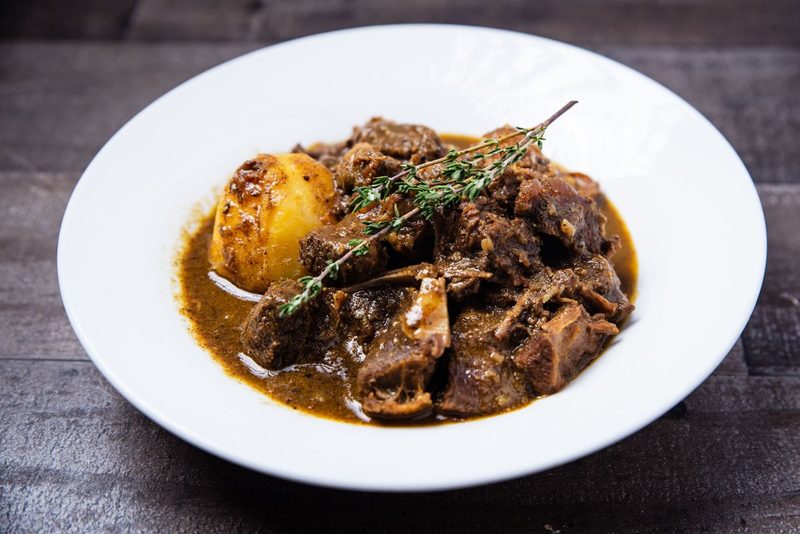
The same is true with curry dishes across the Caribbean. They do not taste like a copy of Indian curry, because they are not. Caribbean curries have their own identity shaped by migration, local ingredients, and generations of adaptation. A good curry goat or curry chicken carries earthiness, aromatics, and slow heat, but also a sense of comfort. It is the kind of dish that fills the room with aroma before it hits the table.
For diners who want flavor without overwhelming spice, Caribbean food is also more flexible than its reputation suggests. Many kitchens can guide you toward milder choices or adjust heat while keeping the dish intact. That is important, especially for people who want to explore without feeling like they signed up for a challenge meal.
It brings together several food traditions in one cuisine
One of the most compelling reasons to try Caribbean food is that it reflects centuries of exchange. African, Indigenous, Spanish, French, British, Dutch, Indian, and Chinese influences all appear in different islands and coastal regions. That history shows up clearly on the plate.
You can taste it in rice dishes, braises, patties, stews, fried snacks, seafood preparations, and sauces. It is not fusion in the trendy restaurant sense. It is a cuisine shaped by real history, movement, trade, survival, and celebration. That gives Caribbean food a depth that diners often recognize immediately, even if they cannot name every influence.
In practical terms, this means one meal can offer a wider range of textures and flavors than people expect. A plate might pair tender braised oxtail with rice and peas, sweet fried plantains, and cabbage with a little snap left in it. Another meal might lean bright and coastal, with fish, citrus, and pepper. A savory patty can work as street food, while a full stew can feel like Sunday dinner.
That range matters in a city like Denver, where people often dine with mixed groups. Some want comfort food. Some want bold spice. Some want something portable or quick. Caribbean menus often cover all of that without feeling scattered.
The comfort factor is real, especially in Denver’s climate
Denver may get plenty of sunshine, but local dining habits are still shaped by cold snaps, snow days, and long shoulder seasons. That makes hearty, deeply seasoned food especially appealing. Caribbean cooking understands comfort in a very complete way. It is not only about richness. It is about balance.
A classic plate of jerk chicken with rice and peas and plantains hits several needs at once. You get protein, smoke, starch, sweetness, and enough seasoning to keep the meal interesting from start to finish. A stew or curry offers warmth that feels restorative rather than heavy. Even a simple side can change the experience. Plantains, for example, are one of those foods that win people over quickly. Their sweetness softens spice, their caramelized edges add texture, and they make the whole plate feel more rounded.
I have seen this happen with diners who think they are just trying something new for variety. They order one plate, maybe a patty on the side, and halfway through the meal it clicks. The food is not only flavorful, it is satisfying in the old-fashioned sense. It makes sense on a physical level. You finish feeling fed, not merely entertained.
That distinction is part of why Caribbean food earns repeat customers. In a city full of novelty, it offers something steadier.
The cuisine rewards curiosity without demanding expertise
Some cuisines can feel intimidating if you do not know the terminology. Caribbean food usually does not create that barrier. Many of the dishes are immediately approachable even when they are new to you. Rice and peas, stewed meats, grilled chicken, patties, fried plantains, slaws, and seafood plates all make intuitive sense.
At the same time, the cuisine rewards closer attention. Once you start noticing the differences between a Trinidadian-style roti and a Jamaican patty, or between jerk seasoning from one kitchen and another, the experience becomes richer. You do not need a glossary to enjoy it, but there is plenty to learn if you want to go deeper.
For Denver diners, that balance is ideal. People here tend to appreciate food that feels authentic without being stiff or performative. Caribbean restaurants often excel at that. The food can be serious, rooted, and precise while still being welcoming. That is not easy to pull off, and it is worth recognizing.
A good Caribbean meal gives you contrast on the plate
One mark of satisfying cooking is contrast. Not random contrast, but purposeful contrast. Caribbean food is very good at this.
Rich meats are paired with acidic sauces or crunchy vegetables. Spiced mains are softened by sweet plantains or coconut notes. Tender braises are set against firmer grains or flaky pastry. Heat is balanced with herbs, char with sweetness, and deep savory notes with brightness from lime or vinegar.
This is one reason leftovers often hold up well, too. The food is built on strong structure. You can reheat a curry or stew the next day and it still has shape. In fact, some dishes improve after resting because the seasoning settles and deepens. For busy Denver households, that makes Caribbean takeout a smart order, not just an exciting one.
If you are deciding where to begin, a few dishes tend to convert first-time diners quickly:
- Jerk chicken, for smoke, spice, and a clear introduction to layered seasoning
- Curry goat or curry chicken, if you want something slow-cooked and deeply aromatic
- Beef patties, for a portable, flaky, savory snack or light meal
- Oxtail, when you are ready for a richer braise with serious depth
- Fried plantains, because they belong on the table even if you came for something else
That list is not comprehensive, and Caribbean cuisine is far broader than those standards. Still, they are good entry points because each one highlights a different strength.
It is one of the best cuisines for group dining
There are certain foods that work better when shared, and Caribbean food belongs in that category. Not every dish is family-style by default, but the cuisine lends itself to communal eating. People trade bites. Someone orders an extra patty for the table. Another person insists everyone try their oxtail. Sides become talking points rather than afterthoughts.
This makes a real difference in Denver, where casual group dining is part of the city’s rhythm. Friends meet after work. Families gather on weekends. Coworkers want something more interesting than standard catering. Caribbean food serves all those occasions well because it satisfies different appetites without fragmenting the meal into completely separate experiences.
It also travels better than a lot of cuisines. Fried items may lose some crispness in transit, but stews, rice dishes, curries, and grilled meats generally hold their quality. If you are ordering for a group during a snowstorm, a game night, or an office lunch, Caribbean food is often a safer bet than food that declines rapidly after ten minutes in a takeout box.
Denver diners are increasingly ready for regional specificity
A decade or two ago, many restaurant markets rewarded broad labels over detail. Today, diners are better informed and more interested in what makes a cuisine distinct. That shift helps Caribbean restaurants, because the category itself contains tremendous variety.
Jamaican food is not the same as Trinidadian food. Puerto Rican dishes differ from Haitian dishes. Cuban cooking carries its own structure and history. Even within a single tradition, one household or restaurant may prepare a dish differently from another. Serious diners in Denver are increasingly open to these distinctions, and that is a good thing.
It means you can go beyond treating Caribbean food as a novelty and begin to appreciate individual culinary identities. That change in mindset improves the dining scene overall. Restaurants can cook with more confidence when customers are willing to meet the food on its own terms.
There is a practical benefit here as well. Once you know what you enjoy, ordering becomes easier and more rewarding. Maybe you discover you prefer the sharp, smoky profile of jerk over a sweeter glaze. Maybe you learn that you love roti because it combines bread, curry, and portability in one format. Maybe seafood is your lane. The more you try, the more precise your preferences become.
The cuisine has range, from quick lunch to occasion meal
Another reason to explore Caribbean food in Denver is versatility. Not every meal out needs to be an event, and not every event should feel casual. Caribbean cooking spans both ends comfortably.
A beef patty and a drink can make a fast, satisfying lunch. A rice bowl with jerk chicken works for a weekday dinner when you want flavor without ceremony. On the other hand, a full spread with braised meats, sides, sauces, and dessert can feel celebratory. The cuisine is equally at home in a paper takeout box or at a table where everyone settles in for a while.
That versatility is part of its value in a city with varied dining habits. Denver has office workers grabbing lunch between meetings, families feeding kids after activities, and dedicated eaters willing to drive across town for a memorable plate. Caribbean food can serve all three.
It also tends to offer strong value. I am cautious with blanket statements about price, because menus vary and food costs change quickly. Still, many Caribbean dishes are built around ingredients and techniques that prioritize flavor extraction and satisfaction. Slow cooking, marinating, braising, and smart use of starches and sides often produce meals that feel substantial for the money. Diners notice that.
There is a strong connection between the food and hospitality
Some restaurants impress you with technical skill but keep a certain distance. Caribbean places often stand out for a different reason. The hospitality feels personal.
That does not mean every dining room looks the same or every service style is identical. It means the food usually comes with context, pride, and a sense that the meal matters beyond the transaction. Staff may steer you toward a side that completes the dish. Owners may explain why one preparation sells out early. Regulars may already know the best day to come in for a particular special. These details create a dining culture, not just a menu.
In my experience, this is one of the strongest reasons people become loyal to Caribbean restaurants. They may first arrive because they heard about the jerk chicken. They return because the place gives them something harder to find, character.
For a city like Denver, where neighborhoods continue to evolve and restaurant turnover can be high, places with that kind of rooted identity matter. They help define what local dining feels like.
What to notice when you try it for the first time
If you want to get the most from your first Caribbean meal, pay attention to seasoning, texture, and balance rather than trying to decode every ingredient. Ask yourself a few simple questions. Does the spice sit only on the surface, or does it seem to run through the whole dish? Is there contrast between sweet and savory? Do the sides play a real role or just fill space? You can learn a lot from those details.
It also helps to order with a little strategy. If you are going with another person, split one familiar dish and one less familiar one. Add plantains even if you are unsure. Include a sauce if the restaurant offers it. And if there is a house specialty that appears repeatedly in reviews or conversations, consider starting there. Signature dishes usually tell you the most about a kitchen’s priorities.
Here is a simple approach that works well for first-timers:
- Choose one grilled or jerk item and one braised or curried item
- Add at least one sweet element, usually plantains
- Keep rice or another starch on the table, because it ties the meal together
- Ask about heat level if you are spice-sensitive
- If patties are available, order one to share while the mains arrive
That kind of order gives you a broad picture without overcomplicating things.
Caribbean food expands your sense of what Denver eats well
The strongest food cities are not built on one dominant style. They are built on curiosity, support for specialists, and a willingness to let distinct traditions flourish. Trying Caribbean food in Denver is not only about one good meal. It is part of participating in that larger culture.
When diners support restaurants that cook with confidence and specificity, the entire scene improves. More neighborhoods gain character. More young cooks see a future for their traditions. More eaters move beyond the same narrow rotation. That is how a city matures gastronomically, one plate at a time.
Searching for caribbean food denver should lead you to more than a trend. It should lead you to food with soul, structure, and history. Food that understands smoke, spice, sweetness, and patience. Food that can comfort you on a cold evening, wake up your palate on an ordinary Tuesday, and give a table full of people something to talk about long after the plates are cleared.
That is reason enough to go. The fact that the meal is likely to be memorable is a bonus.
Reggae Pot Jamaican Grill
2243 S Monaco St Pkwy, Suite 104
Denver, CO 80222
(720) 410-2956
FAQ About caribbean food denver
What is a typical Caribbean meal?
Caribbean cuisines vary by island. A Jamaican meal might pair jerk chicken or oxtail with sides such as rice and peas, cabbage, or fried plantains.
What is Jamaica’s national dish?
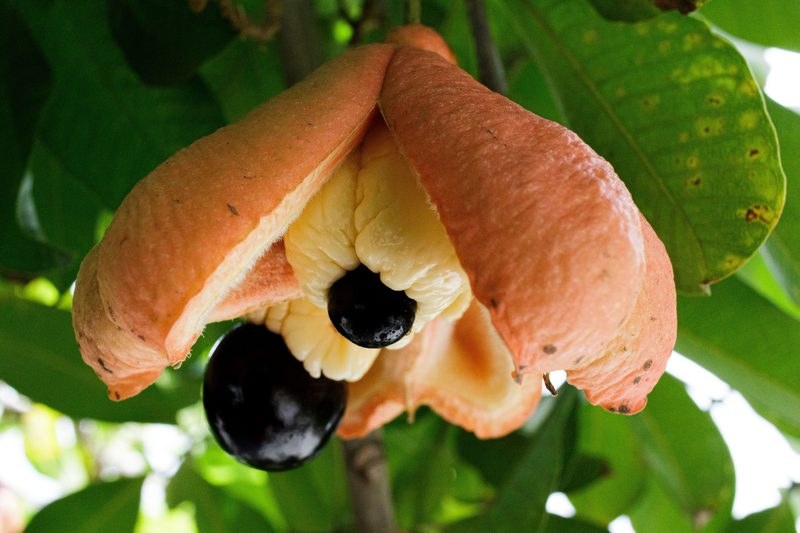
Ackee and saltfish is widely recognized as Jamaica’s national dish. Check the current menu for availability.
Is Caribbean jerk the same as Jamaican jerk?
Jerk is a Jamaican cooking tradition associated with seasoning and slow cooking or grilling. The exact heat level and preparation vary by cook.