Jamaican Food Favorites for Breakfast, Lunch, and Dinner

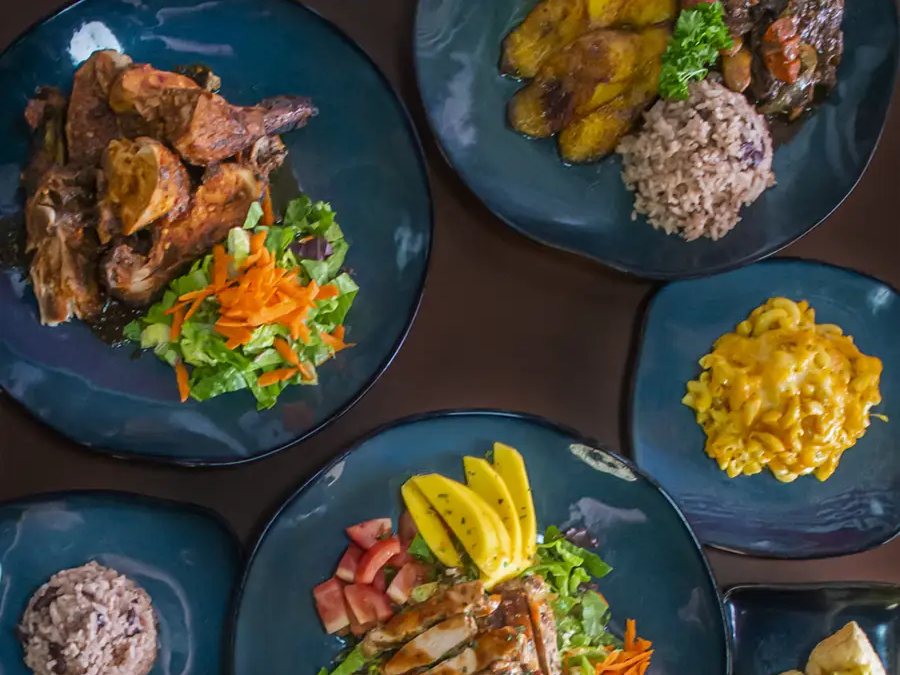
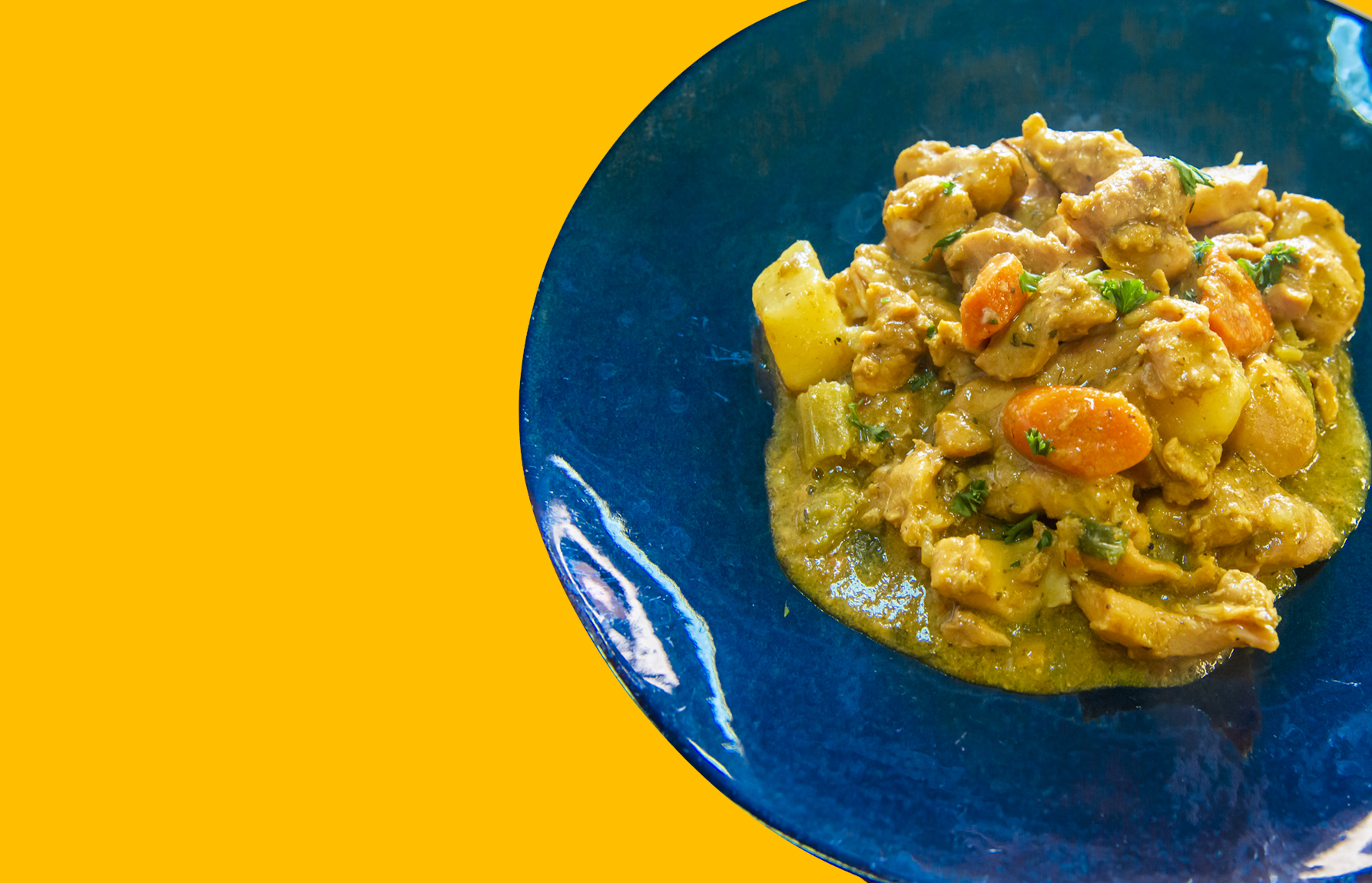
Jamaican food has a way of being both vivid and grounding at the same time. The colors are bright, the spice blends are assertive, and the aromas announce themselves long before the plate hits the table. Yet the meals themselves often come from practical roots, built around what is filling, available, and deeply familiar. That balance is part of what makes the cuisine so memorable. It can feel festive on a holiday table, then completely right again at a roadside cookshop on an ordinary Tuesday.
People who are new to Jamaican food sometimes think first of jerk chicken, and for good reason. It is iconic, fragrant, and impossible to ignore. But a day of eating in Jamaica, or even at a good Jamaican restaurant elsewhere, reveals a much broader and more textured picture. Breakfast tends to be hearty and savory. Lunch can lean toward substantial one-pot dishes or well-seasoned combinations of protein, starch, and vegetables. Dinner often slows things down just enough to let long cooking and layered seasoning do their work.
What stands out most is that these dishes do not feel designed for novelty. They feel lived in. A proper Jamaican breakfast can carry you for hours. A lunch plate often tastes like someone cared about the seasoning from the night before. Dinner dishes, especially stews and soups, reward patience. There is technique here, but also instinct. A cook knows when the plantain is sweet enough, when the gravy has reduced enough, when the scotch bonnet has given enough heat without taking over the pot.
The shape of a Jamaican day at the table
Meals in Jamaican cooking often revolve around a few repeating strengths: bold seasoning, careful use of aromatics, starches that satisfy, and proteins cooked until they fully absorb flavor. Common building blocks include thyme, scallion, garlic, onion, allspice, ginger, and scotch bonnet pepper. Coconut milk appears where richness is welcome. Green banana, yam, dumplings, rice, peas, breadfruit, and plantain give meals structure and heft.
One thing worth understanding early is that Jamaican food is not just spicy food. It can be fiery, certainly, but the best dishes are seasoned rather than merely hot. Heat should sit inside the flavor, not flatten it. That distinction matters when talking about all three daily meals, because breakfast is not shy, lunch is rarely plain, and dinner almost always carries depth.
Breakfast that means business
In many places, breakfast can be light, sweet, or little more than fuel. Jamaican breakfast often takes a different view. It is serious food, meant to satisfy. If you have ever sat down to a plate of ackee and saltfish with boiled green banana, fried dumplings, and maybe a slice of ripe plantain, you know this is not a meal designed around restraint. It is designed around comfort, stamina, and taste.
Ackee and saltfish, the best-known morning plate
Ackee and saltfish is the breakfast most closely associated with Jamaica, and it earns that status. Ackee, when cooked properly, has a soft, almost buttery texture that people often compare loosely to scrambled eggs, though that comparison only goes so far. Its flavor is gentler and creamier than eggs, and it absorbs aromatics beautifully. Saltfish, usually cod that has been salted and then soaked to remove excess salt, brings firmness and concentrated savor.
Cooked together with onion, tomato, scallion, thyme, black pepper, and often a touch of scotch bonnet, the dish achieves a balance that is hard to overstate. The saltfish gives the ackee backbone. The ackee softens the fish. The vegetables brighten the whole pan. On its own, it is excellent. Paired with boiled dumplings, yam, green banana, or fried plantain, it becomes a full expression of what Jamaican breakfast does so well: richness, salt, softness, starch, and just enough bite from the seasonings.
The most common mistake outside Jamaica is overworking the ackee until it turns mushy. Good ackee should hold its shape. Another frequent issue is leaving the saltfish too salty, which throws the whole dish off. Experienced cooks know that the soaking and boiling of the fish matters as much as the final sauté.
Callaloo, mackerel, and other breakfast standards
Not every Jamaican breakfast starts with ackee and saltfish. Callaloo, a leafy green dish often cooked down with onion, tomato, garlic, thyme, and pepper, is another favorite. It can be served with saltfish, with mackerel, or simply as part of a larger plate. Good callaloo should taste fresh and earthy, not swampy or overcooked. A squeeze of tomato acidity and the fragrance of thyme help keep it lively.
Mackerel, especially sautéed mackerel with onions and peppers, brings a different kind of savory depth to the table. It is assertive, oily in the best sense, and particularly good with hard dough bread or roasted breadfruit when available. Liver is another breakfast staple for many households, usually cooked with onions and robust seasoning. It is not universal, but for people who grew up with it, it can be every bit as comforting as the better-known dishes.
Porridge also has an important place in the Jamaican breakfast landscape. Cornmeal porridge is perhaps the most familiar, often enriched with milk, cinnamon, nutmeg, vanilla, and sometimes condensed milk for sweetness. Peanut porridge and banana porridge are also common. These are not flimsy bowls of cereal. A Jamaican porridge should have body. It should coat the spoon, deliver warmth, and hold its own as a meal.
The role of sides at breakfast
Sides are not an afterthought in Jamaican food. They complete the plate and often shape the experience of the main dish. Fried dumplings are a classic example. Crisp outside, tender inside, slightly chewy when done right, they are ideal for scooping up ackee or mopping up seasoned oil and vegetables from the pan. Boiled dumplings offer a softer, plainer contrast. Green banana and yam bring a starchier, more grounded feel. Plantain, especially when properly ripe and caramelized at the edges, adds sweetness that can make a salty breakfast sing.
A plate with too many heavy sides https://dominickbroc770.oakridgedigest.com/posts/how-jamaican-food-became-a-caribbean-favorite can feel one-note, which is why good cooks balance textures. If the main is soft and rich, a firmer boiled side helps. If there is plenty of salt, ripe plantain or a mild dumpling can steady the plate. That kind of judgment is part of why the best Jamaican breakfasts feel generous without becoming clumsy.
Lunch that carries flavor into the afternoon
By lunchtime, Jamaican food often moves toward dishes that travel well, hold heat, and deepen as they sit. This is the hour of patties grabbed on the go, jerk from a roadside grill, or rice-and-peas plates served with curried or stewed meats. Lunch can be quick, but it is rarely bland.
The patty, small in size, big in identity
Few foods are as useful, or as beloved, as the Jamaican patty. A good patty has a flaky crust with a characteristic yellow tint, often from turmeric or curry powder in the dough, and a filling that is moist, seasoned, and hot enough to wake up the palate. Beef is the classic, but chicken, vegetable, shrimp, and even ackee fillings appear depending on the bakery or cook.
The strength of a patty lies partly in its portability, but that alone does not explain its status. It is the contrast that makes it special. The crust shatters lightly. The filling gives way into spiced, savory softness. Add a coco bread, and you get an extra layer of richness and chew that turns a snack into a proper lunch.
At its best, the patty filling tastes distinctly Jamaican, not simply like generic ground meat in pastry. You should notice thyme, black pepper, maybe a trace of allspice, and enough chile presence to keep it lively. Dry filling ruins the experience. So does a soggy crust. The best patties are fresh from the warmer, hot enough that you need a second before the first bite.
Jerk at midday, smoky, spicy, and worth waiting for
Jerk is perhaps the most internationally recognized branch of Jamaican food, but its quality varies dramatically. Real jerk is not just a bottled sauce. It is a method and a profile, built on pimento, thyme, scallion, garlic, ginger, scotch bonnet, and patient cooking over smoke. Traditionally, pimento wood adds a distinctive fragrance that cannot be fully replicated on a standard grill.
For lunch, jerk chicken is the usual entry point, though jerk pork has many devoted fans and, in skilled hands, can be even more compelling. The ideal jerk chicken has a dark, well-charred exterior, strong seasoning throughout rather than just on the skin, and juicy flesh beneath the crust. Festival, a lightly sweet fried dough, is a common companion. So are bammy, roasted breadfruit, or simply bread and a side of pepper sauce.
One practical truth about jerk is that smoke matters as much as spice. When the smoke is missing, the dish can still be tasty, but it loses dimension. Another truth is that heat levels should be purposeful. A punishingly hot jerk that obscures the thyme, allspice, and scallion is less accomplished than one with balance.
Brown stew chicken and curry dishes, the lunch plates that satisfy
If jerk is the loud extrovert, brown stew chicken is the dependable favorite. The chicken is usually seasoned, browned, then simmered with onion, scallion, garlic, tomato, thyme, bell pepper, and enough liquid to create a rich gravy. The browning sauce contributes color and depth, but too much can make the dish taste bitter or flat. The best versions keep the gravy glossy and savory, with sweetness from the onions and tomato peeking through.
Served with rice and peas, brown stew chicken makes immediate sense. The rice absorbs the gravy. The peas, usually kidney beans cooked with coconut milk, thyme, scallion, and sometimes pimento, round out the dish with creaminess and fragrance. Add steamed cabbage or a little coleslaw, and the plate feels complete.
Curried goat is another lunch favorite, though it often crosses into dinner territory depending on the setting. Proper curried goat should be tender but not disintegrating, with curry that tastes toasted and developed rather than raw. Jamaican curry powder tends to have a fuller, more aromatic personality than some other curry blends, and the cooking process usually includes time for the spices to bloom in oil before liquid is added. That step changes everything. It moves the dish from dusty to deep.
Dinner where patience pays off
Dinner is often where Jamaican cooking shows its slow, generous side. Soups simmer for hours. Oxtail softens into its sauce. Escovitch fish arrives bright and sharp after frying. By evening, the day’s appetite asks for comfort with some substance, and Jamaican food answers without hesitation.
Oxtail, rich and worth the time
Oxtail has become a sought-after dish well beyond Jamaican kitchens, sometimes to the point of sticker shock. There is good reason for that demand. When cooked properly, oxtail delivers one of the most satisfying combinations in the cuisine: gelatin-rich meat, deeply seasoned gravy, and butter beans that soak up the sauce.
The dish typically begins with aggressive seasoning, then browning, then a long braise with herbs, aromatics, and enough liquid to slowly tenderize the meat. The gravy should not be thin. It should cling. It should carry the flavor of beef, herbs, and browned sugar notes without becoming sticky or sweet. Butter beans added toward the end are not filler. They mellow the richness and give the plate another soft texture to work against rice and peas.
This is not an everyday weeknight dish in many homes, partly because of cost and partly because of time. But for dinner, especially on a weekend or special occasion, it is a standout. It also reheats exceptionally well, which is usually a sign that a braised dish was built correctly in the first place.
Escovitch fish and the pleasure of acid and heat
Not every Jamaican dinner is heavy. Escovitch fish brings brightness and crunch to the table. Whole fish, often snapper, is seasoned, fried until crisp, then topped with a sharp dressing of vinegar, onions, carrots, scotch bonnet, and sometimes pimento berries. The contrast is the appeal. Hot crisp fish meets cool pickled vegetables. Rich frying oil meets acidity.
A good escovitch should remain crisp long enough to matter. If the fish is buried too early under too much liquid, the skin softens before it reaches the table. Timing counts. So does the balance of the pickle. It should be assertive, but not so acidic that it erases the fish. Served with bammy or festival, escovitch offers a dinner that feels complete without feeling overly heavy.
Soups that eat like meals
Jamaican soups deserve more attention than they get. These are not delicate starters. Many are full meals in a bowl, loaded with provisions such as yam, dumplings, green banana, and pumpkin, plus beef, chicken, fish, or red peas depending on the recipe. Saturday soup is a real tradition in many homes and communities, and once you have had a proper bowl, it is easy to understand why.
Red peas soup is especially satisfying, often combining kidney beans, salted meat or beef, coconut milk in some versions, dumplings called spinners, and root vegetables. The broth becomes thick, almost creamy, from the starches and the slow cooking. Chicken foot soup has its loyal following too, prized for its texture and body. Fish tea, despite the name, is a savory fish broth rather than a tea in the usual sense, fragrant with herbs and often sharpened with pepper.
These dishes reveal another strength of Jamaican food: thrift and generosity working together. Ingredients that could be humble on their own become deeply nourishing when cooked with time, seasoning, and attention.
The side dishes that make the meal feel complete
It is difficult to talk about Jamaican food honestly without giving the starches and accompaniments their due. Rice and peas is perhaps the most recognized, but even that term can confuse newcomers. In Jamaica, “peas” often means beans, especially kidney beans or gungo peas. Cooked with coconut milk, thyme, scallion, garlic, and allspice, the rice is aromatic enough to be memorable on its own.
Festival adds sweetness and crunch beside jerk or fried fish. Bammy, made from cassava, brings a mild, slightly chewy character that soaks up sauces well. Roasted breadfruit has a smoky, starchy quality that works beautifully with saltfish or mackerel. Fried plantain offers caramelized sweetness, while boiled green banana keeps things earthier.
Steamed cabbage is one of the most useful balancing elements on a Jamaican plate. It brings moisture, a little freshness, and color without fighting the main dish. Coleslaw can serve a similar role, especially with jerk. These choices matter because many Jamaican mains are intense by design. The right side does not compete. It gives the meal room to breathe.
What newcomers should order first
For someone approaching Jamaican food for the first time, the smartest move is to sample the cuisine through dishes that show different techniques rather than ordering three versions of the same flavor profile. A strong first experience often includes a breakfast staple, a smoked lunch dish, and a braised or stewed dinner.
Here is a practical starting point if you want a rounded introduction:
- Ackee and saltfish with boiled dumplings or plantain for breakfast.
- A beef patty or jerk chicken for lunch, depending on whether you want quick comfort or smoke.
- Brown stew chicken or oxtail with rice and peas for dinner.
- Escovitch fish if you prefer something sharper and lighter in the evening.
- Cornmeal porridge on a separate morning, because breakfast culture is a big part of the cuisine.
That sequence gives you soft and crisp textures, smoke and braise, heat and sweetness, plus a clear sense of how Jamaican food uses starches to support strongly seasoned mains.
A few details that separate good from average
Many cuisines can be reduced unfairly into broad labels, and Jamaican food gets hit with that problem all the time. People call it spicy, hearty, or soulful, all of which can be true, but those words miss the technical details that make dishes memorable.
The first is seasoning penetration. It is not enough for the outside of the meat to taste good. Jerk, curry, and stew all need flavor to travel inward. The second is texture control. Ackee should stay tender but intact. Dumplings should not be leaden. Rice and peas should be separate enough to spoon, not wet and pasty. The third is aromatic balance. Thyme, scallion, allspice, and scotch bonnet all carry strong personalities. When one overwhelms the others, the dish narrows.
If you are ordering from a restaurant and want clues about quality, pay attention to a few things:
- The rice and peas should smell of coconut and herbs, not just salt.
- Jerk should show smoke on the nose before raw chile heat.
- Stew gravies should look glossy and developed, not thin or muddy.
- Fried items should arrive crisp, not greasy.
- Side dishes should feel intentional, not like filler placed to crowd the plate.
These may sound like small points, but they often tell you whether a kitchen understands the cuisine beyond surface-level seasoning.
Why these meals stay with people
Part of the staying power of Jamaican food comes from flavor, obviously, but flavor alone does not explain the attachment people form to these dishes. It is also the way the meals are structured. Breakfast does not apologize for being substantial. Lunch can be fast without becoming forgettable. Dinner makes room for long cooking and family-style sharing. Across the day, the food offers confidence. It knows what it is trying to do.
That confidence is especially clear in the combination of bold mains and grounding sides. Saltfish leans on dumpling. Jerk leans on festival or bread. Oxtail leans on rice and peas. Soup leans on provisions. The plates are built with appetite in mind, but they are also built with judgment. Sweetness from plantain next to salt cod. Vinegar over fried fish. Coconut rice under peppery gravy. These are not random pairings. They are patterns refined over time.
For anyone exploring Jamaican food, the best approach is to eat across the day rather than chasing only the most famous dinner dish. Breakfast shows the cuisine’s depth. Lunch shows its versatility. Dinner shows its patience. Taken together, they make a stronger case than any single plate could.
Jamaican food rewards attention, but it does not require ceremony. It can be served from a market stall, a bakery, a family kitchen, or a polished dining room and still retain its character. That character comes through in the sharpness of thyme and scallion, the sweetness of ripe plantain, the smoke clinging to jerk, the warmth of porridge, the heft of dumplings, and the slow richness of a properly made gravy. From morning to night, these favorites do more than satisfy hunger. They express a complete food culture, generous, vivid, and unmistakably alive.
Reggae Pot Jamaican Grill
2243 S Monaco St Pkwy #104
Denver, CO 80222
+1 720-410-2956
FAQ About jamaican food
What is the best Jamaican food to try in Denver?
The best choice depends on your tastes. Popular options include jerk chicken, curry goat, slow-cooked oxtail, and savory patties. Reggae Pot lists these dishes on its menu, with sides such as rice and peas and plantains. Ask the Denver team about current availability and spice levels.
Is Jamaican food very spicy in Denver?
Heat varies by dish and preparation. Jerk seasoning often includes scotch bonnet peppers alongside herbs and allspice, while other dishes may have gentler seasoning. Ask about the heat of the specific dish and any sauce before ordering.
What are some popular Jamaican snacks?
Jamaican patties are a popular snack made with flaky pastry and savory meat or vegetable fillings. Other options include fried dumplings and festival, a sweet fried dough often served with savory dishes. Availability varies, so check the current menu when ordering.